







Search Results for: Coffee bean variety codes
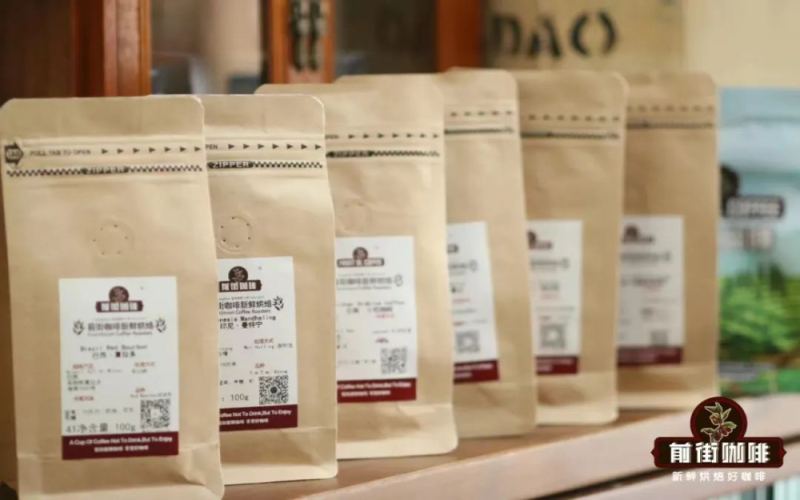
The Complete Guide to Coffee Variety Codes: The Stories and Origins Behind 74110, SL34, F1, and H1
When selecting coffee beans, a string of mysterious codes occasionally appears in the variety column, such as 74110, SL34, F1, H1, and so on. They do not have resounding names like Typica or Geisha, yet each carries a piece of breeding history. What exactly do these codes mean? Are they years, experiment numbers, or abbreviations of research institutions? This article will trace the origins of these numbered varieties, from disease-resistant varieties in Ethiopia to selections by the Scott Laboratories in Kenya, and then to the F1 hybrid program in the Americas, uncovering the mysteries of their identities one by one. Front Street Coffee will also share the unique charm of these varieties in the cup, combined with their flavor performance. [more…]
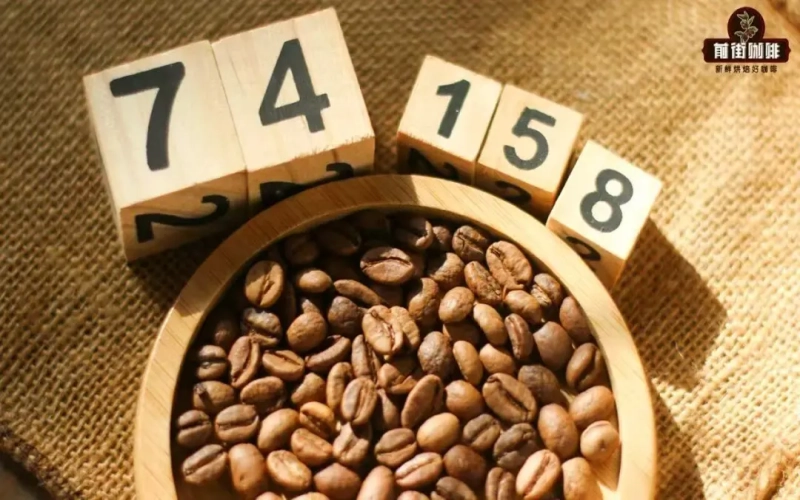
What is the origin of Ethiopian numerical varieties like 74158? Front Street Coffee ALO and Hamasho flavor analysis
In recent years, a group of numerically named varieties have frequently appeared among Ethiopian coffees. Coded beans such as 74158, 74110, and 74112 not only appear on the lists of major green bean competitions, but have also become targets that many coffee farmers and brands are eager to plant. What exactly do these numbers represent? Why can they excel in both flavor and yield? This article will start with the history of JARC's variety selection and breeding, sort out the origins and advantages of these coded beans, and focus on two standout 74158 coffees in Front Street Coffee's bean list — Front Street Ethiopia·ALO and Front Street Ethiopia·Hamashu — to help you understand their respective flavor characteristics and origin backgrounds. [more…]

Taiwan Specialty Coffee Evaluation Ranking Disrupted by Coding Errors; Organizer Admits System Failure and Compensates the Difference
Every year, global coffee production is enormous, and different regions and processing methods give coffee beans an endless variety of flavors. Rather than trying blindly, many enthusiasts choose to buy award-winning beans from competitions directly, which ensures quality and lets them experience the award-winning flavors. Coffee farmers also hope to achieve good rankings through competitions to increase the selling price and reputation of their green beans. However, a specialty coffee evaluation in Yunlin County, Taiwan, for self-produced beans was disrupted by a computer system failure that scrambled the codes linking entrants to coffee beans, causing errors in the previously announced rankings: a Grand Prize winner became a Gold Award winner, drawing attention. The organizers urgently corrected the list and promised to pay the bonus difference, but the credibility of the competition still faces a test. [more…]
Exploring Floral and Fruity Regions: The Fruity Code of Ethiopia and Kenya
When exploring the regions that produce floral and fruity coffee, Ethiopia and Kenya are two origins you simply cannot avoid. These two African regions have distinctly different floral and fruity styles, and once you understand their respective fruity codes, you can precisely match your own taste preferences when choosing beans. Ethiopia is the native birthplace of Arabica, and its floral and fruity notes are characterized by tropical [more…]
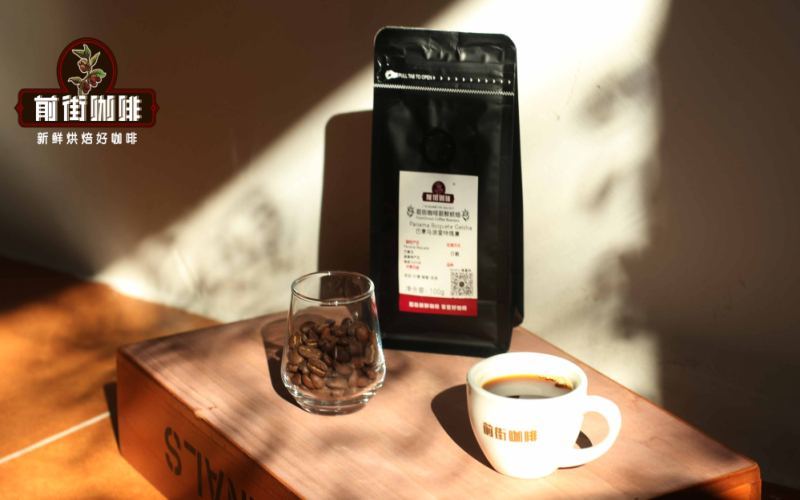
Front Street Coffee Limited-Time Special: Blue Label Geisha half price at 49 yuan for 100 grams, everyday beans from 9.9 yuan, seasonal drip bags at 19.9 yuan
Front Street Coffee (FrontStreet Coffee) launches its annual mega-value promotion, featuring selected drip coffee bags, six best-selling everyday beans, and thirteen specialty beans, with single-origin beans at up to 50% off. Among them, the Panama Hacienda La Esmeralda Blue Label Geisha is half price at only 49 yuan/100g, while everyday beans such as Yunnan small-batch, washed Yirgacheffe, and Mandheling are as low as 9.9 yuan/100g, and seasonal drip coffee bags are 19.9 yuan/box with free shipping nationwide. The promotion runs from July 15 to 17, only three days. This article details the flavor characteristics, processing methods, and Taobao codes of each discounted bean, and also includes a primer on Geisha grades (Red Label, Green Label, Blue Label) along with brewing suggestions, helping coffee lovers taste specialty coffee at affordable prices. [more…]
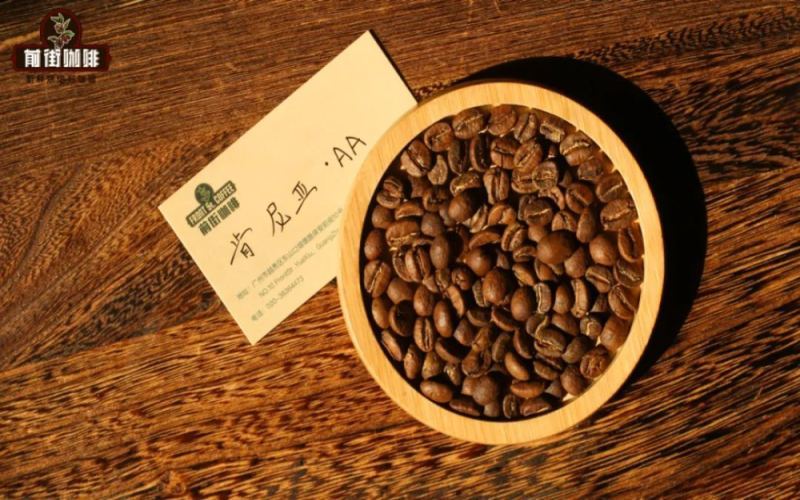
The Flavor Code of Kenyan Coffee: From SL Varieties to Double Washing, Decoding the Causes of Prominent Acidity and Fruity Notes
Kenyan coffee is famous for its bright fruit acidity and rich fruity aroma, often described as having the sweet-and-tart notes of blackberry, grapefruit, or lemon. This flavor is no accident, but the combined result of high-altitude cultivation, SL series varieties, and a unique double-washing process. This article will outline the growing conditions, representative varieties, processing methods, and grading system of Kenyan coffee, and introduce how Front Street Kenya Cherry Tomato Coffee Beans present layers of cherry tomato, smoked plum, black plum, caramel, and snow pear through a medium-light roast, helping enthusiasts understand the true source of Kenyan acidity. [more…]
Colombia Monteverde Estate: The Flavor Code and Variety Origins of Wush Wush Enzyme Aerobic Fermentation Natural
In southern Tolima, Colombia, at an altitude of 1,800 to 2,100 meters, Finca Monteverde has successfully cultivated delicate varieties such as Geisha, WushWush, SL-28, and Borbon Sidra, thanks to its exceptional sunlight, rainfall, and water source near the Rio Blanco. Among them, WushWush originated in the Kaffa forest of Ethiopia and has flourished since being introduced to Colombia thirty years ago. In this article, Front Street Coffee will take you deeper into the terroir of Finca Monteverde, the story of the WushWush variety, and the stunning flavors of rose, fennel leaf, and purple grape woven together by a honey anaerobic natural process. [more…]
Exploring Ethiopian Heirloom Varieties: The Flavor Code and Red Soil Legend of the Yirgacheffe Konga Cooperative
Yirgacheffe is the shining pearl of Ethiopian coffee, and the Konga Cooperative is a brilliant point of light upon this pearl. As one of the 26 cooperatives under the YCFCU alliance, Konga sits on high-altitude red soil at 1800-2000 meters, nurturing coffee that combines the charm of Typica and native heirloom varieties. This article will delve into Konga's growing terroir, the secrets of its red soil, and its sun-drying process, analyzing its unique flavors—smooth and clean, elegant with floral and fruity notes, silky like red wine, and with a chocolate finish—and introduce you to the mysterious Ethiopian heirloom varieties. At the end, there is a sincere分享 from Front Street Coffee that coffee lovers should not miss. [more…]
Exploring Kenya's Sianna Estate: The Flavor Code of French Missionary Bourbon Natural Coffee
The sun-dried French Mission Bourbon coffee produced by the Kenyannya West Hannah Estate occupies a place in the specialty coffee world with its unique flavors of tropical fruit, floral notes, and wine-like aromas. This article will take you deep into the history, growing environment, and variety characteristics of this medium-sized estate, and from the perspective of Jason Long of Café Imports, analyze the connection between the French Mission Bourbon variety and the SL series varieties, as well as how sun-dried processing gives Kenyan green coffee beans their distinctive charm. At the same time, Front Street Coffee will also recommend this rare specialty coffee for you. [more…]
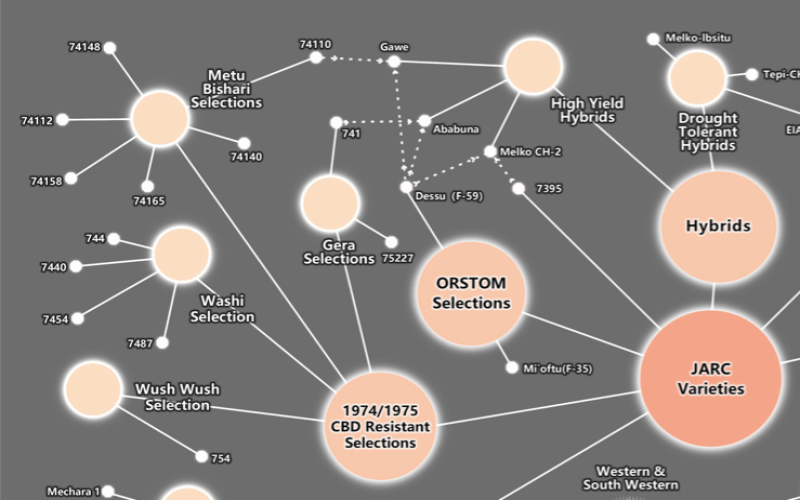
The Origins of Ethiopia's 74 Series Numbered Coffee Varieties and a Flavor Brewing Guide for 74158
In the world of coffee, some varieties are not known by familiar names like Bourbon or Typica, but by a string of seemingly mysterious numbers, such as Ethiopia's 74 series, which begins with 7. Where did they come from, and what do the numbers represent? This article traces the background behind the creation of this group of disease-resistant varieties, explains the meanings of codes such as 741, 74110, 74158, and 74165, and focuses on the Sidamo Saint Vini 74158 sold by Front Street Coffee, sharing the flavor profile and pour-over parameters brought by its 96-hour anaerobic natural process, helping coffee lovers understand the story behind numbered varieties and their charm in the cup. [more…]
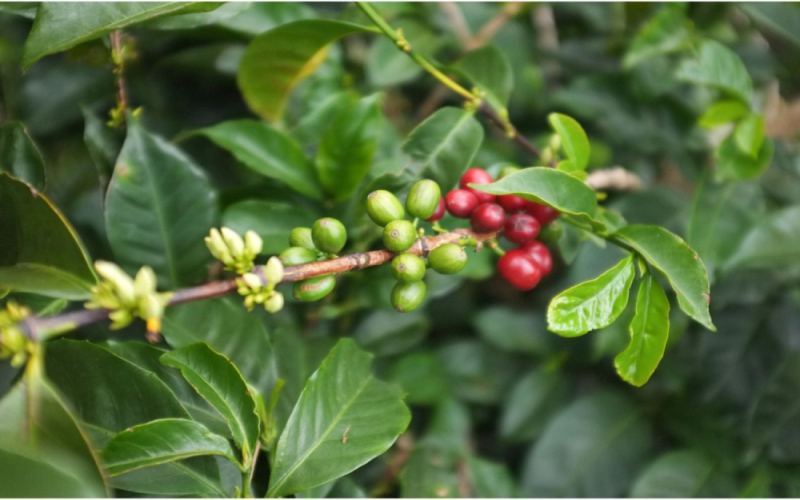
The Origins and Varietal Characteristics of Yunnan Typica Coffee: The Flavor Code from Zhukula Village to Baoshan
As one of the oldest Arabica varieties, Typica is as renowned as Bourbon, known for its elegant fruity notes and slender pointed beans, yet it is weak in disease resistance and low in yield. In Yunnan, the Typica produced in Baoshan stands out for its exceptional quality. Tracing the history of Yunnan coffee, in 1892 a French missionary planted Typica seeds in Zhukula Village, opening the coffee chapter of this land, and even today the village still has trees over eighty years old. Yunnan small-bean coffee is mostly grown in dry-hot river valleys at an altitude of about 1,100 meters, with balanced acidity and a mellow, sweet, smooth body. If you want to experience the classic flavor, Front Street Coffee 2013 Yunnan Typica uses sun-drying and a medium roast, presenting dried apricot, nuts, brown sugar and a tea-like finish, and is suitable for pour-over, cold brew and many other brewing methods. [more…]
Ethiopian Coffee Legends: The Flavor Codes of Yirgacheffe, Sidamo, and Harar
As the birthplace of coffee, Ethiopia holds an irreplaceable position in the global coffee landscape. It is not only a genetic treasure trove of Arabica coffee but also the cradle of three legendary regions: Yirgacheffe, Sidamo, and Harar. From the ancient legend of the shepherd Kaldi to today's rich and varied flavor expressions, Ethiopian coffee has always been fascinating. This article will take you into this coffee holy land, exploring its cultivation history, processing methods, and unique taste, and understanding how Front Street Coffee interprets these precious bean varieties. [more…]
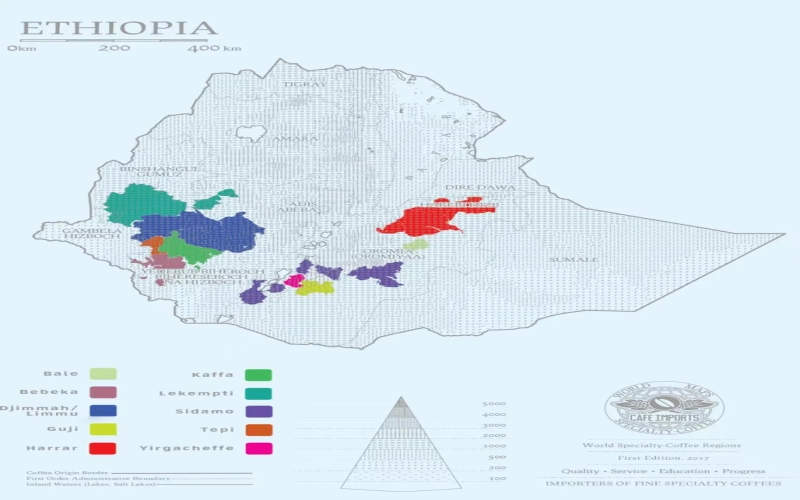
Exploring Ethiopia's Sidamo Bensa Region: The Traceability and Flavor Code of Elto Coffee Beans
Ethiopia, recognized as the birthplace of coffee, boasts the world's richest coffee gene pool, with an estimated nearly 15,000 varieties. The Sidamo region, with its fertile volcanic soil and diverse terrain, has given rise to countless specialty coffees. In recent years, the high-altitude microclimate of the Bensa area has spawned well-known brands such as Arlo Village, Hamasho, and Elto. Among them, Elto Coffee, founded by a husband-and-wife team, is dedicated to pushing the flavors of Bensa to the extreme through rigorous selection and meticulous processing. This article will guide you through the evolution of the Sidamo region, the rise of Bensa, and the story and pursuit of quality behind Elto. Front Street Coffee will also recommend related products for you. [more…]
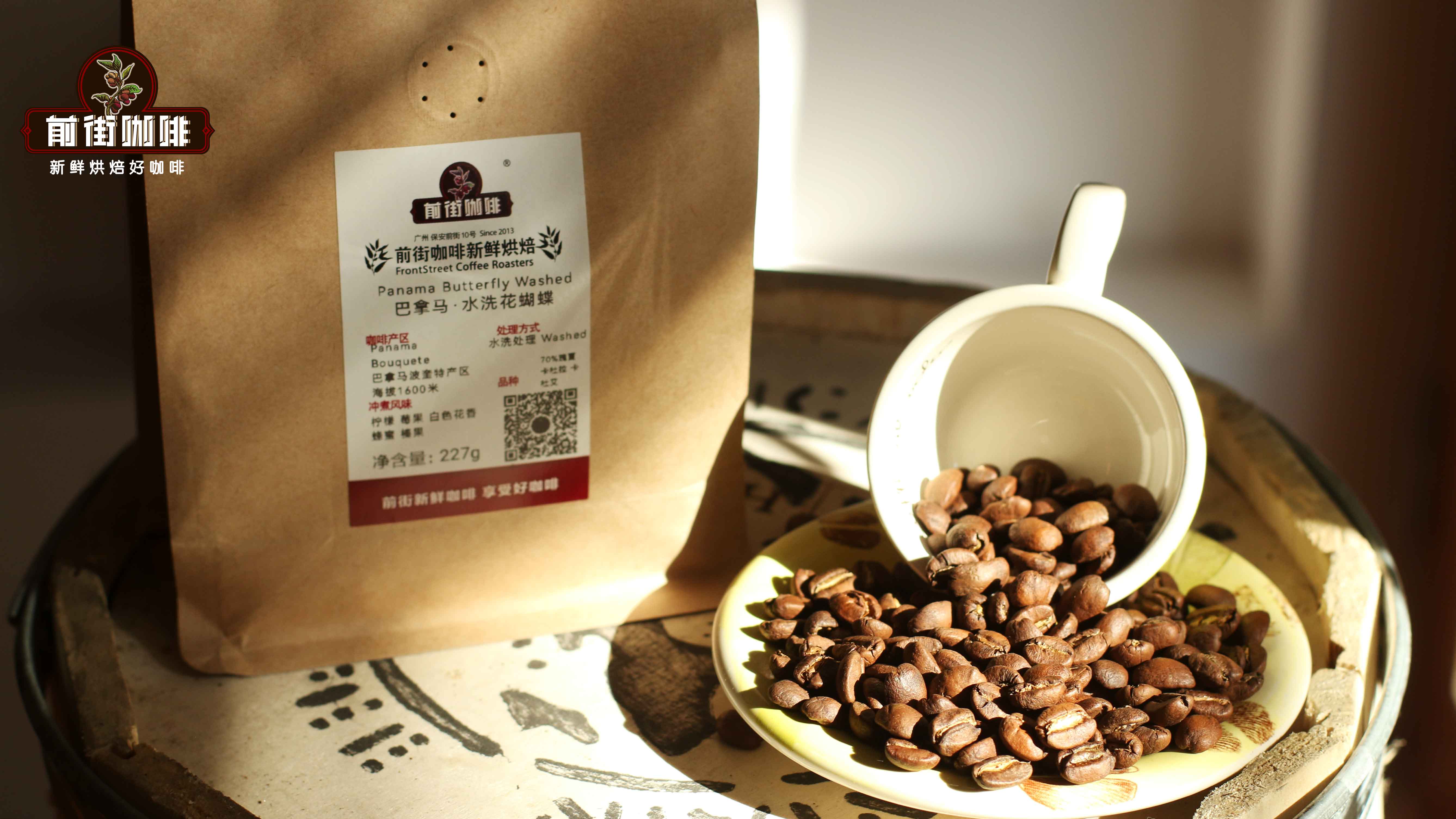
A Complete Analysis of Geisha Coffee Bean Varieties: From Ethiopian Origins to Panama's Sky-High Legend and Flavor Code
Geisha, a name that captivates countless coffee lovers, from the primitive forests of Ethiopia to the high-altitude estates of Panama, it has rewritten people's understanding of coffee with its signature floral aroma and fruity notes. This article takes you through the origin and rise to fame of the Geisha variety, analyzes why it is called "sky-high-priced coffee," delves into what the true "Geisha flavor" is, and explores how variety, terroir, processing methods, and roasting together shape that stunning cup with its citrus acidity and honeyed sweetness. At the same time, we will also learn how Front Street Coffee, through its Butterfly Blend, allows more people to experience the unique charm of Panama Geisha at an affordable price. [more…]
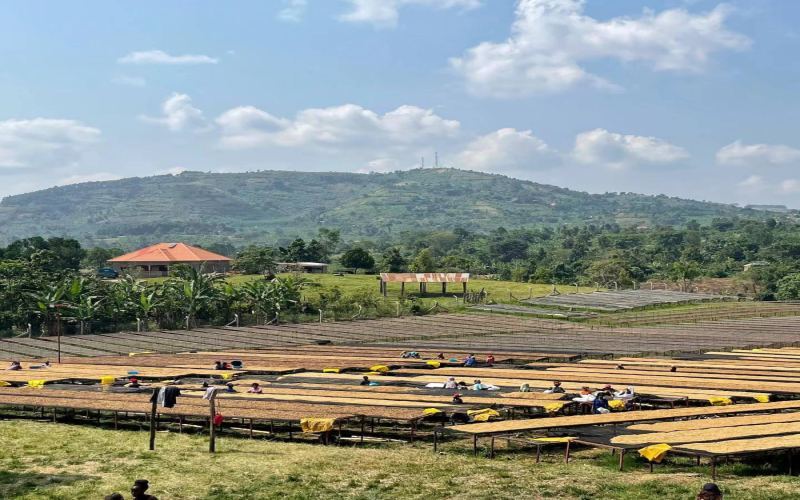
A Complete Analysis of Ugandan Coffee Bean Origins, Grades, and Flavors: The Quality Code from Robusta to Arabica
Uganda is located at the source of the Nile and is a landlocked country in Africa. It has a long history of coffee cultivation, yet its quality stagnated due to prolonged wars. Over the past fifteen years, as the situation stabilized, Uganda's coffee industry has experienced rapid development. This article will take you into a deeper understanding of Uganda's coffee production regions, variety structure, processing methods, and grading system, and analyze its flavor characteristics such as full-bodied fruity notes, red-wine-like complexity, and a unique earthy aroma. Front Street Coffee (FrontStreet Coffee) joins you in exploring the coffee potential of this equatorial highland. [more…]
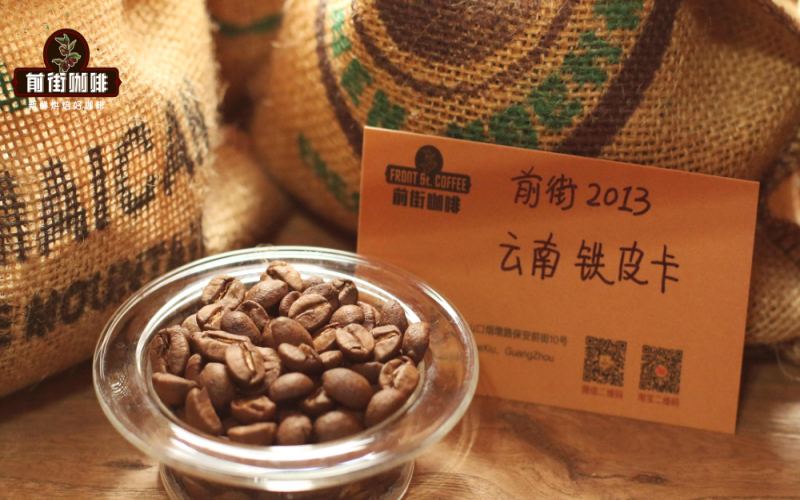
In-Depth Analysis of Yunnan Specialty Small-Bean Coffee: The Flavor Code and Tasting & Buying Guide of the Typica Variety
Yunnan coffee has gradually made a name for itself in China in recent years, but many enthusiasts still know it only by the vague term "small bean coffee." This article starts with variety classification to explain what "small bean" actually refers to, then analyzes how Yunnan's exceptional growing conditions shape its soft flavor profile interwoven with notes of nuts, chocolate, and brown sugar. It also details the cupping performance of Front Street Yunnan Small Bean Staple Beans and Natural Typica, explores their advantages as a base bean for espresso blends, and recommends the Front Street Dark Cocoa Blend made from Yunnan Small Bean paired with Brazil Cerrado. Finally, it reminds readers to pay attention to roasting freshness and introduces the product features and purchasing tips of the longstanding Guangzhou roaster Front Street Coffee, offering a reference for both beginners and advanced enthusiasts. [more…]
The Flavor Code of Geisha Coffee: Citrus and Jasmine Aromas, and an Analysis of Hacienda La Esmeralda's Red and Green Label Specialty Beans
Geisha coffee can be considered a dazzling star in today's specialty coffee world. With its elegant aromas of jasmine and genmaicha, along with complex fruit notes of citrus, berries, and apricot, it presents a layered, juice-like sweetness that stands in stark contrast to the traditional bitter coffee people often imagine. Its rise to prominence would not have been possible without the discovery and promotion by Panama's Hacienda La Esmeralda. This article will guide you through the discovery history of the Geisha variety, explain the specific differences between the Red Label and Green Label grades, and present the core characteristics of Front Street Coffee's Hacienda La Esmeralda Red Label and Green Label Geisha in terms of origin, processing method, and cupping flavors, helping coffee enthusiasts gain a clearer understanding of what true Geisha coffee is. [more…]
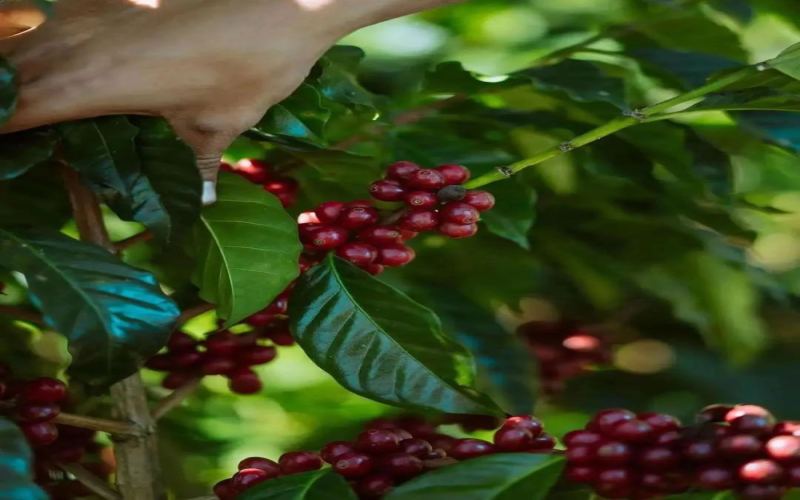
The Flavor Code of Colombian Pink Bourbon: Named Bourbon, but Possibly Hiding Typica and Geisha Genes?
In Colombia's major coffee competitions, a variety named "Pink Bourbon" frequently stands out. It is named for its fruit's delicate pink color, and was originally derived from a cross between Red Bourbon and Yellow Bourbon. However, the pink color is a recessive gene, so it must be isolated from other varieties during cultivation to maintain its color. Yet in recent years, genetic testing has revealed that many competition entries labeled Pink Bourbon do not carry Bourbon chromosomes; instead, genes from Typica, Geisha, or Ethiopian landraces have been detected. Is this a naming mix-up, or a limitation in variety identification? This article will walk you through Pink Bourbon's cultivation history in Colombia, its flavor characteristics, and the scientific controversy surrounding its mysterious origins. [more…]
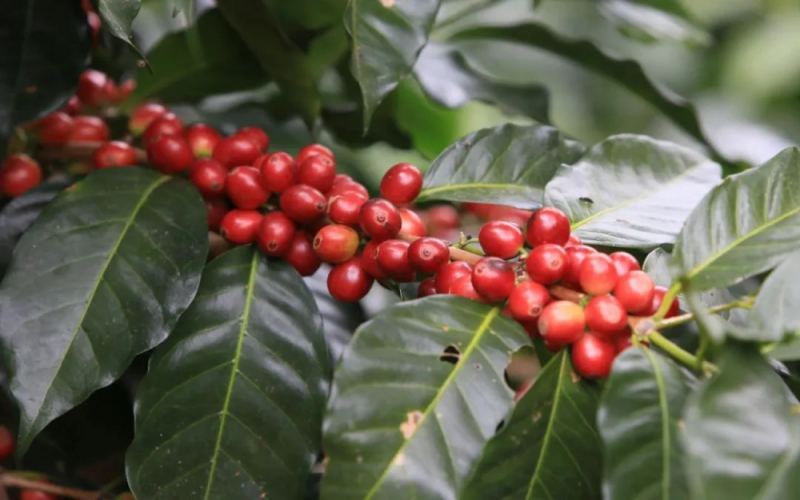
The Varietal Identity and Flavor Code of Catimor: Where Does the "Devil's Aftertaste" Under Its Arabica Lineage Come From?
Is Catimor actually Arabica or Robusta? And how exactly is its "devilish aftertaste" formed? This article begins with the background of Catimor's birth, sorting out the hybrid origins and genetic makeup of this variety, and confirming its classification as having three-quarters Arabica bloodline. It also introduces Catimor's plant characteristics in detail, including tree shape, leaves, and stress resistance, and provides an in-depth analysis of the earthy aftertaste that Robusta genes bring to the flavor, as well as how factors such as high yield and early maturity compound to dilute excellent flavors and amplify undesirable aftertastes. The article also mentions Front Street Coffee's expectations for future improvement of Catimor. [more…]
Front Street Coffee Colombia Finca El Arbolito Rose Valley: The Flavor Code of Anaerobic Double Enzyme Washed Caturra
Colombian coffee has always been known for its bright fruity notes and fresh style, and a micro-lot from Front Street Coffee—Rose Valley from Big Tree Estate—uses an anaerobic double enzyme washed process to let the Caturra variety show a stunning sense of layering. This bean comes from the Santander region, at 1,700 meters above sea level, and is carefully managed by Vargas, who has run Big Tree Farm for twenty years. From picking fully red cherries to two rounds of anaerobic fermentation, then to fermentation with a special enzyme group and slow drying, every step creates its unique flavor that can rival Geisha. This article will take you deep into the origin background, processing method, and flavor performance of this Front Street Colombian Rose Valley, so you can feel the diverse charm of Colombian coffee. [more…]